
Cuanto Dura La Cocaina En Orina
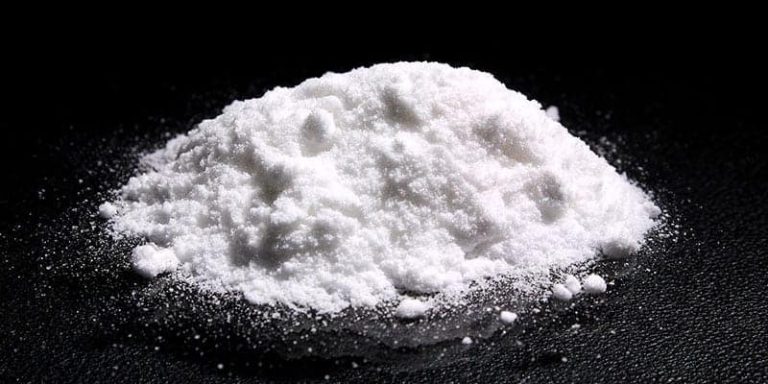
Cocaine, a powerful and illegal stimulant, is a drug known for its euphoric effects. However, it also has detrimental health consequences and is subject to various testing methods to determine its presence in an individual’s system. “Cuanto Dura La Cocaina En Orina” is a common question among those concerned about cocaine detection in urine. In this article, we will explore the factors influencing the duration of cocaine detection in urine and provide insights into the associated risks and consequences.
Must Read: Buy Klonopin (Clonazepam) Online: A Comprehensive Guide
Must Read: Buy Valium Online: Your Ultimate Guide to Purchasing Valium Safely
Introduction to Cocaine Detection in Urine
Cocaine is a drug that affects the central nervous system, leading to increased energy, alertness, and feelings of pleasure. It is illegal in most countries and is a commonly abused substance. To detect cocaine use, many drug tests focus on urine samples due to their reliability and convenience.
Factors Influencing Cocaine Detection Duration
Several factors determine how long cocaine can be detected in urine:
- Frequency of use
- Dosage
- Metabolism
- Age and gender
- Overall health
Cocaine Metabolism and Its Impact
When cocaine enters the body, it undergoes metabolism. The primary metabolite is benzoylecgonine, which is the target of most drug tests. The metabolism rate can vary among individuals, affecting the duration of detection.
Cocaine’s Half-life in the Body
Cocaine has a relatively short half-life in the body, typically around 1 hour. This means that half of the drug is eliminated within that time frame. However, the metabolites, such as benzoylecgonine, can be detected for a longer period.
Detection Times for Cocaine in Urine
The detection window for cocaine in urine varies based on factors like frequency of use and the sensitivity of the test. In general:
- Infrequent use: 2-4 days
- Moderate use: 4-10 days
- Heavy use: up to 10-30 days
Cocaine Testing Methods
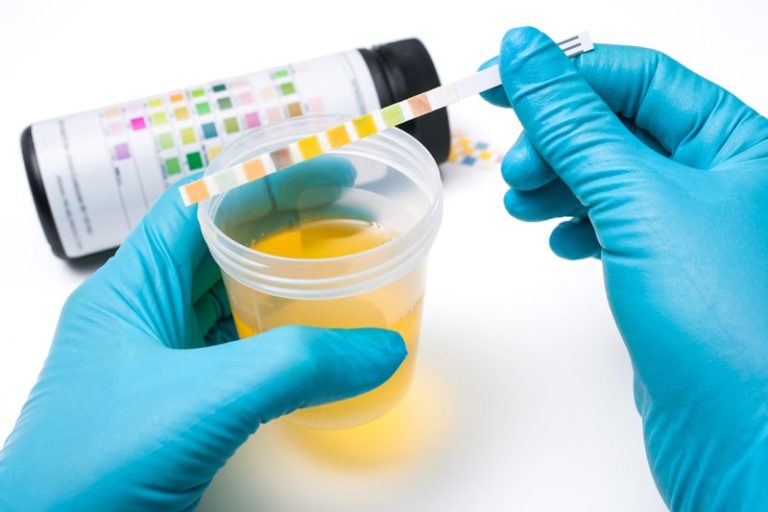
There are different types of urine tests to detect cocaine, including immunoassay and gas chromatography-mass spectrometry (GC-MS). GC-MS is considered the most reliable and accurate method.
Importance of Accurate Detection
Accurate cocaine detection in urine is crucial for various reasons, including employment drug tests, legal proceedings, and addiction treatment. False positives can have severe consequences.
Tips for a Faster Cocaine Elimination
If someone is concerned about drug testing, certain steps can help speed up the elimination of cocaine from their system, such as staying hydrated, eating a balanced diet, and avoiding further drug use.
Misconceptions about Cocaine Detection
There are several misconceptions surrounding cocaine detection, and this article aims to debunk them. One common myth is that drinking large amounts of water can mask the presence of cocaine in a drug test, which is not true.
Effects of Cocaine Use
Cocaine use can have various effects on an individual, including increased heart rate, heightened alertness, and a sense of euphoria. However, it also carries significant health risks, such as heart problems and addiction.
The Risks and Consequences of Cocaine Abuse
Cocaine abuse can lead to severe health issues, legal troubles, and damaged relationships. Understanding the potential consequences is vital in preventing addiction and seeking help.
Seeking Help and Recovery Options
For individuals struggling with cocaine addiction, seeking help is essential. Various treatment options, such as counseling, therapy, and support groups, can aid in recovery.
Legal Implications
The possession and use of cocaine are illegal in most countries, which can lead to criminal charges and legal consequences.
FAQs on Cocaine Detection in Urine
1. How long does cocaine stay in your urine?
- The duration varies based on several factors, but it can be detected for up to 30 days in heavy users.
2. Can you trick a drug test by drinking lots of water?
- No, excessive water consumption won’t mask cocaine in a drug test.
3. What are the health risks of cocaine use?
- Health risks include heart problems, addiction, and mental health issues.
4. How can I seek help for cocaine addiction?
- Seeking professional help from therapists and support groups is a good starting point.
5. What are the legal consequences of cocaine possession?
- Legal consequences can include fines, imprisonment, and a criminal record.
Conclusion
In summary, the duration of cocaine detection in urine is influenced by various factors, including frequency of use, dosage, and individual metabolism. It is essential to be aware of the consequences of cocaine abuse, both in terms of health and legal ramifications. Seeking help and recovery options is crucial for individuals struggling with cocaine addiction. Education and awareness play a significant role in addressing this issue.
Must Read: Buy Ativan Online: Your Guide to Safe and Convenient Purchases
Must Read: Understanding Adderall: Uses, Effects, and Precautions