Does Cocaine Make You Skinny?
The allure of a svelte figure has driven people to explore various, often unhealthy, avenues to achieve weight loss. One such avenue that has gained notoriety over the years is the use of cocaine. But does cocaine really make you skinny? In this article, we will delve into this controversial topic, shedding light on the potential consequences of using cocaine as a means to shed pounds.
Must Read: Buy Klonopin (Clonazepam) Online: A Comprehensive Guide
Must Read: Buy Valium Online: Your Ultimate Guide to Purchasing Valium Safely
Understanding Cocaine
What is cocaine?
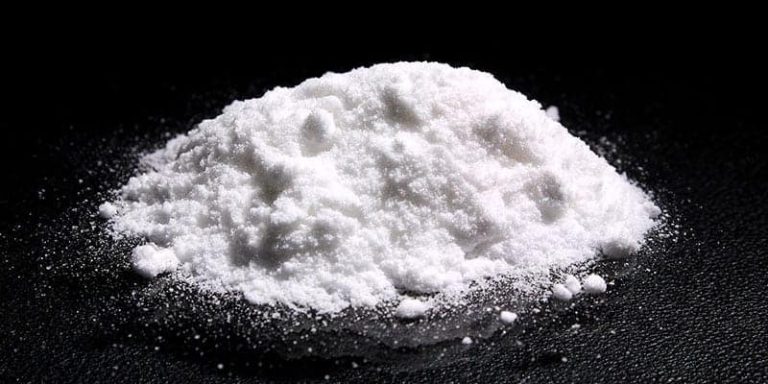
Cocaine is a potent and illegal stimulant drug that is notorious for its euphoria-inducing effects. It is derived from the leaves of the coca plant native to South America and has a long history of recreational use.
Cocaine and Weight Loss
The Myth of Cocaine-Induced Weight Loss
One common perception is that cocaine users tend to lose weight rapidly. While it is true that some individuals experience weight loss while using cocaine, the reasons behind it are complex and not as straightforward as they might seem.
The Science Behind Cocaine-Induced Weight Loss
Appetite Suppression
Cocaine and Appetite
Cocaine has been shown to suppress appetite. When under the influence of the drug, users often lose interest in food and may go for extended periods without eating.
Metabolic Boost
Cocaine and Metabolism
Cocaine can temporarily increase metabolism. This stimulant effect can lead to higher energy expenditure, potentially contributing to weight loss.
Short-Term vs. Long-Term Effects
The Short-Term Impact
In the short term, cocaine may lead to rapid weight loss due to appetite suppression and increased metabolism. However, this weight loss is often unsustainable.
The Long-Term Consequences
Over time, the negative health consequences of cocaine use, such as addiction, malnutrition, and organ damage, outweigh any initial weight loss benefits.
The Dark Side of Cocaine Use
The Health Risks
Addiction
Cocaine is highly addictive, and individuals who use it may find it challenging to quit. This can lead to a downward spiral of drug abuse and worsening health.
Malnutrition
The loss of appetite caused by cocaine use can result in severe malnutrition, which can have dire consequences for one’s health.
Organ Damage
Cocaine use can damage various organs, including the heart, lungs, and brain. These long-term effects can be life-threatening.
Seeking Professional Help
Overcoming Cocaine Addiction
If you or someone you know is struggling with cocaine addiction, seeking professional help is crucial. Treatment and therapy can provide the support needed to overcome addiction and its associated health risks.
Conclusion
In conclusion, while cocaine may lead to short-term weight loss due to appetite suppression and a temporary boost in metabolism, the long-term consequences of its use are severe. Cocaine addiction, malnutrition, and organ damage pose significant risks to one’s health. It is essential to prioritize safe and sustainable methods for weight management.
FAQs
1. Is it safe to use cocaine for weight loss?
No, using cocaine for weight loss is not safe and can have severe health consequences.
2. Can I lose weight without resorting to drugs like cocaine?
Yes, there are safe and effective ways to lose weight through diet, exercise, and a healthy lifestyle.
3. How does cocaine affect the brain?
Cocaine affects the brain by interfering with the normal regulation of dopamine, leading to intense euphoria and addiction.
4. What are the signs of cocaine addiction?
Signs of cocaine addiction include cravings, loss of interest in other activities, and withdrawal symptoms when not using the drug.
5. Where can I find help for cocaine addiction?
If you or someone you know is struggling with cocaine addiction, you can seek help from addiction treatment centers, therapists, and support groups.
Must Read: Buy Ativan Online: Your Guide to Safe and Convenient Purchases
Must Read: Understanding Adderall: Uses, Effects, and Precautions