
Fun Facts About Cocaine
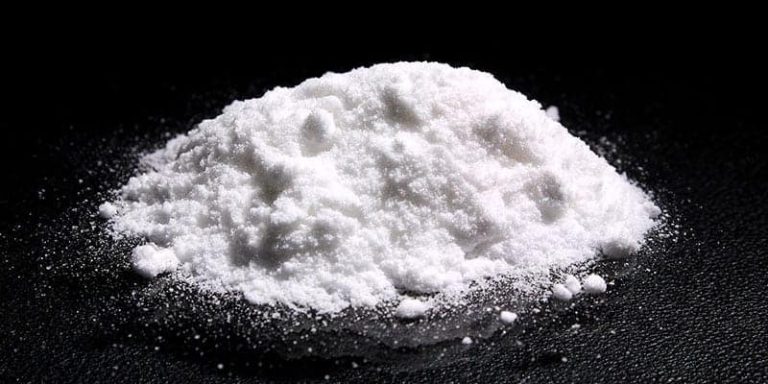
Fun Facts About Cocaine: Cocaine, an infamous stimulant derived from coca plants, has a long and colorful history, marked by both its medicinal and recreational uses. In this article, we will delve into some intriguing and lesser-known facts about cocaine. From its origins to its influence on popular culture, we’ll explore the multifaceted nature of this powerful substance.
Must Read: Buy Ativan Online: Your Guide to Safe and Convenient Purchases
Must Read: Understanding Adderall: Uses, Effects, and Precautions
1. Ancient Roots
Cocaine isn’t a modern discovery. The indigenous people of South America have used coca leaves for thousands of years to combat altitude sickness and increase energy. It was only later that the potent form we know today was synthesized.
2. Medicinal Marvel
During the late 19th century, cocaine was widely regarded as a wonder drug. It was a common ingredient in various tonics, elixirs, and even early forms of Coca-Cola. It was believed to cure everything from toothaches to depression.
3. Freud and Cocaine
Sigmund Freud, the father of psychoanalysis, was an early advocate of cocaine. He used it personally and praised its therapeutic potential. However, he later distanced himself from it due to its addictive nature.
4. Hollywood Influence
Cocaine found its way into popular culture through Hollywood, particularly during the 1980s. Films like “Scarface” and “Blow” glamorized its use, contributing to its notoriety.
5. The Coca-Cola Connection
Yes, the original Coca-Cola did contain cocaine. It was a key ingredient until the early 1900s. The company removed it due to concerns about the addictive nature of the substance.
6. The Coca Plant
The coca plant, from which cocaine is derived, is actually legal to cultivate in some South American countries, but the sale and distribution of cocaine are illegal almost worldwide.
7. Cocaine and Music
Numerous musicians, including Eric Clapton and John Lennon, openly admitted to using cocaine. This drug influenced the music of the 1970s and 1980s significantly.
8. Short-Lived High
The effects of cocaine are intense but short-lived, typically lasting only 15–30 minutes. This brief duration contributes to the drug’s highly addictive nature.
9. Adverse Health Effects
Cocaine can have severe health consequences, including heart problems, strokes, and mental health issues. Long-term use can be particularly devastating.
10. Expensive Habit
Maintaining a cocaine habit is financially straining. This is often one of the reasons people resort to crime to support their addiction.
11. Legal Penalties
The legal repercussions for possessing or distributing cocaine can be severe. Penalties vary by country and state, but they often involve lengthy prison sentences.
12. Cocaine Trade
The illegal cocaine trade is a multi-billion-dollar industry that has far-reaching implications for countries and economies. The War on Drugs was partly initiated to combat this trade.
13. The “Crack” Epidemic
During the 1980s and 1990s, the emergence of crack cocaine led to a significant drug epidemic in the United States, resulting in widespread addiction and crime.
14. Pop Culture References
Cocaine remains a frequent subject in movies, music, and literature, perpetuating its mystique and allure in popular culture.
15. Rehabilitation and Recovery
Recovering from cocaine addiction is possible with the right support and treatment. Many individuals have successfully left this destructive substance behind.
Conclusion
Cocaine, with its fascinating history and cultural impact, is a subject ripe for exploration. While it has a long history of medicinal use and a pervasive presence in popular culture, it is also a highly addictive and dangerous substance with far-reaching consequences. Understanding its history and effects is crucial for addressing the issues associated with its use and trade.
Must Read: Buy Klonopin (Clonazepam) Online: A Comprehensive Guide
Must Read: Buy Valium Online: Your Ultimate Guide to Purchasing Valium Safely
FAQs
1. Is cocaine use still prevalent today?
Cocaine use persists, although it has declined from its peak during the 1980s and 1990s. It remains a global issue.
2. Can cocaine be used safely for medical purposes?
Cocaine has legitimate medical uses, primarily as a local anesthetic, but its potential for addiction limits its use.
3. What are the signs of cocaine addiction?
Signs of cocaine addiction include increased tolerance, withdrawal symptoms, neglect of responsibilities, and social isolation.
4. What measures are being taken to combat the cocaine trade?
Countries worldwide collaborate to combat the cocaine trade through law enforcement, drug interdiction, and international agreements.
5. Are there any alternative treatments for cocaine addiction?
Various therapy approaches, such as cognitive-behavioral therapy and 12-step programs, have been effective in treating cocaine addiction.